
Our Story
Black Teaching Artist Lab, LLC
Guided by a deep commitment to arts education, cultural identity, and social impact, Melissa founded BTAL to support Black teaching artists in exploring their identities, strengthening their work with Black learners, and building meaningful connections with Pan-African communities across the African Diaspora. Central to BTAL is her Afrocentric Social-Emotional Learning (SEL) framework, which centers the holistic development of Black educators and learners through arts-based practice.
A lifelong learner and creative thinker, Melissa believes in the transformative power of art, cultural exchange, and global learning. Through BTAL, she equips teaching artists to return to their communities as cultural responders, global leaders, and agents of change.

Our logo is inspired by the ancient Adinkra symbol. The ripples represent the continuous learning experience we thrive to accomplish through BTAL. The ‘B’ in the center represents the word “Black.” This is our way of reclaiming the word that was used to generalize Afro-descendant people.
Our Mission

"Art is not a mirror held up to reality but a hammer with which to shape it."
— Bertolt Brecht
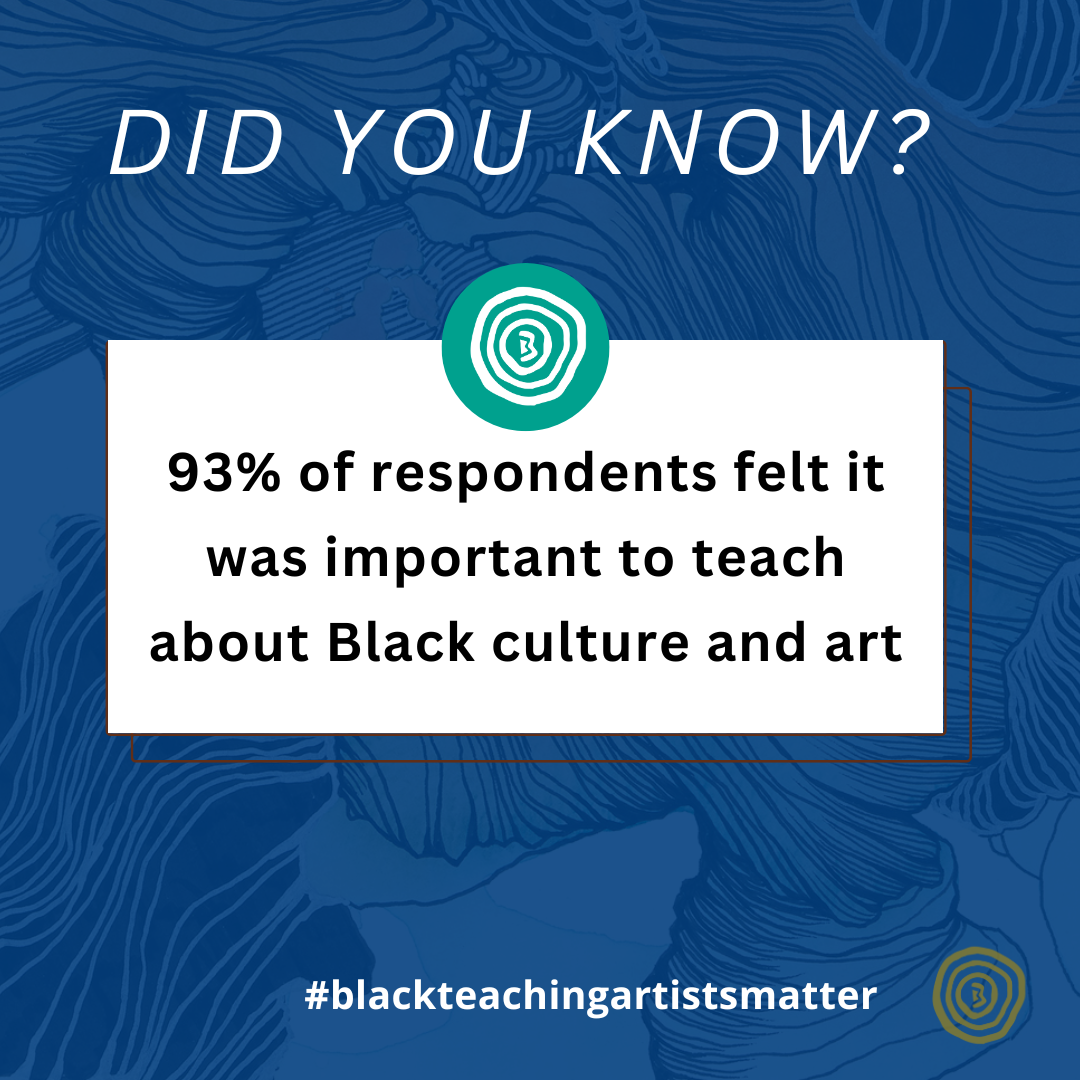
Black Teaching Artist Lab exists to nurture, develop, and amplify the voices of Black teaching artists. We provide professional development, resources, and community support that centers cultural identity and artistic expression.
Melissa Parke
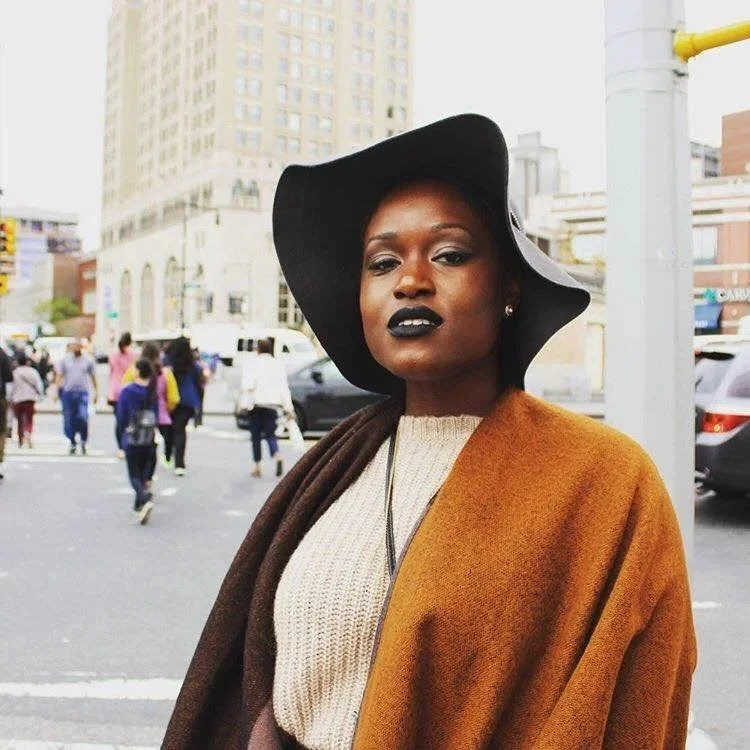
Melissa Parke is a Brooklyn-based creative, educator, and founder of Black Teaching Artist Lab, LLC (BTAL). With a background in history and secondary education, her professional experience spans a range of nonprofit arts, educational, and cultural organizations, where she has worked in nontraditional learning environments serving diverse and underserved communities.
Guided by a deep commitment to arts education, cultural identity, and social impact, Melissa founded BTAL to support Black teaching artists in exploring their identities, strengthening their work with Black learners, and building meaningful connections with Pan-African communities across the African Diaspora. Central to BTAL is her Afrocentric Social-Emotional Learning (SEL) framework, which centers the holistic development of Black educators and learners through arts-based practice.
A lifelong learner and creative thinker, Melissa believes in the transformative power of art, cultural exchange, and global learning. Through BTAL, she equips teaching artists to return to their communities as cultural responders, global leaders, and agents of change.
Meet the Founder
Goals for Teaching Artists
BTAL teaching artists will be able to walk into their respective learning environments with a full understanding of their Black identity and Pan-African culture. BTAL teaching artists will be able to convey social-emotional competency skills and teach the Black experience through their respective art mediums. BTAL teaching artists will understand, appreciate, and connect with other teaching artists from distinct cultures across the African Diaspora.
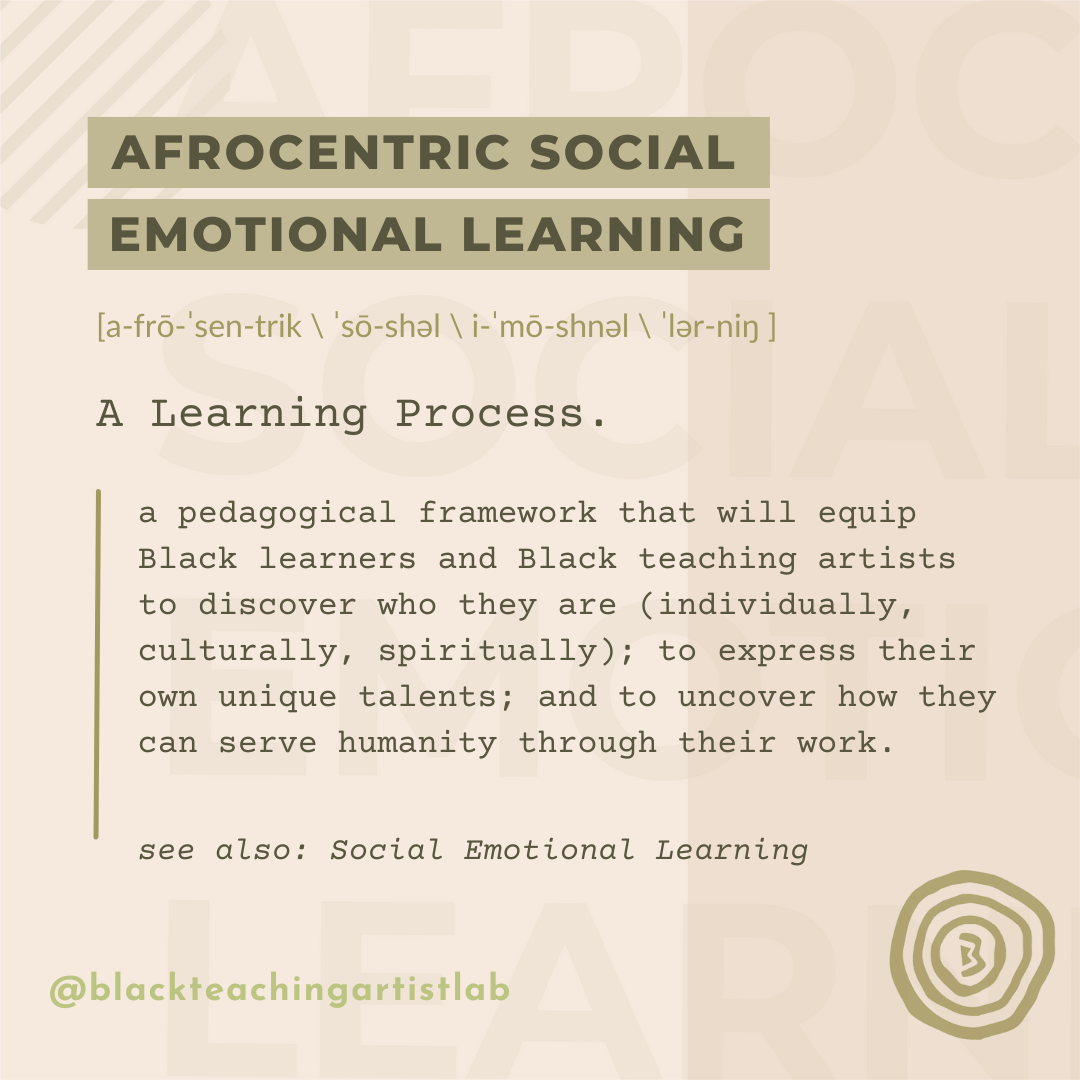
Afrocentric Social-Emotional Learning Framework
The Afrocentric Social-Emotional Learning (ASEL) framework centers the social and emotional development of Black learners through arts education and culturally grounded experiences. Rooted in the belief that Black children deserve learning environments that affirm their identity, honor their culture, and nurture their whole selves, ASEL responds to a critical need in U.S. education: the lack of equitable, culturally relevant learning spaces for Black students.
Traditional, Eurocentric curricula have long ignored the histories, values, and lived experiences of Black learners. ASEL offers an alternative—one that is liberators, culturally affirming, and designed specifically to support the social and emotional realities Black learners face.
Black Teaching Artist Lab, LLC (BTAL) is comprised of three major program pillars: SELF, CULTURE, COMMUNITY. We believe these pillars will provide Black teaching artists with the foundational knowledge, strength, and confidence they need to become strong Black leaders and educators.
Afrocentric SEL Framework in Practice
We share and implement our Afrocentric SEL framework through multiple channels:
We train our teaching artists in the Afrocentric SEL framework through individualized learning experiences and hands-on teaching artist workshops. These trainings help teaching artists deepen their self-awareness, explore identity through art, and develop culturally grounded approaches that support the unique needs of Black learners. (SELF)
We invite our teaching artists to facilitate workshops in schools, cultural centers, and higher education institutions. Through these culturally responsive, art-based experiences, teaching artists help learners explore identity, creativity, and cultural understanding using the Afrocentric SEL framework. (CULTURE)
We provide professional development and community outreach services for teaching artist organizations, arts and cultural institutions, and schools. Through collective learning and shared knowledge, we build stronger communities of educators who are committed to supporting Black learners with culturally responsive, Afrocentric SEL practices.(COMMUNITY)
Afrocentric Social Emotional Learning Framework model
The Afrocentric Social-Emotional Learning (ASEL) framework is designed to illustrate the many factors that influence the development of Black learners, as well as the external variables that shape their overall success.
Grounded in cultural understanding, the ASEL model recognizes that Black learners do not grow in isolation—they are impacted by their identities, communities, histories, learning environments, and the broader social conditions they navigate. This framework helps educators understand these interconnected influences and equips them with culturally responsive tools that support the social, emotional, and academic success of Black children.
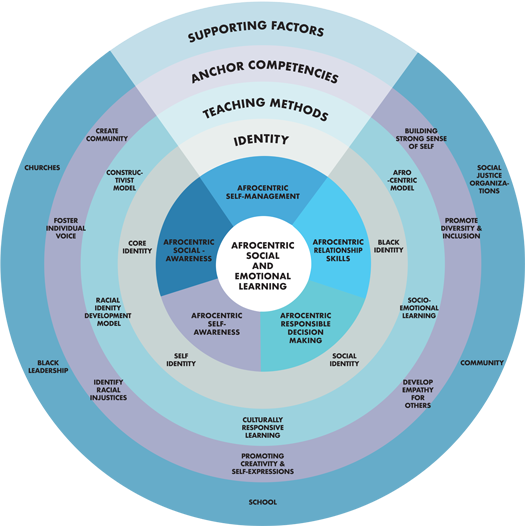
5 Afrocentric Social-Emotional Learning Framework Model
Afrocentric Self-Awareness
The ability to understand one’s own emotions, thoughts, values, and identity; how these elements can influence behavior across contexts; and how one is ultimately perceived by society, because of the color of their skin.
Afrocentric Social-awareness
The ability to take in the perspective of and empathize with others—namely those from the Pan-African Diaspora. This includes the capacity to understand social and ethical norms for behavior and to recognize family, school, and community resources and support systems.
Afrocentric Self-care
The ability to successfully regulate one’s emotions, thoughts, and behaviors in different situations, when exposed to the experience of being Black. Black learners become aware of the emotions associated with the Black experience and their Black identity. These emotions can include confusion, hopelessness, anxiety, depression, and anger.
Afrocentric realtionship skills
Afrocentric Responsible Decision-making
The ability to make constructive choices about personal behavior and social interactions, based on the realistic evaluation of consequences and a consideration for the well-being of oneself and others. This includes the capacity to understand that social standards are different for Black individuals and the arising desire to become a more active member of the Black community, especially in order to promote equitable social rights.
The ability to build trust and belonging amongst culturally diverse groups of peers. This includes the capacity to have healthy and rewarding conversations about equity, diversity, inclusion, and racism and to collaboratively develop solutions to drive social change.
Benefits of Afrocentric SEL
By utilizing the arts to build Afrocentric SEL competencies, educators can better connect with their Black learners and in turn, guide them to develop a greater understanding of their own Black identity.
Potential benefits of Afrocentric SEL include:
Building the learner’s self-perception and cultural identity via art practices and the study of Black history
Making more intentional decisions, leading to more positive outcomes
Decline in negative thoughts of self, behavior problems, and peer pressure
Development of the learner’s social and emotional skills
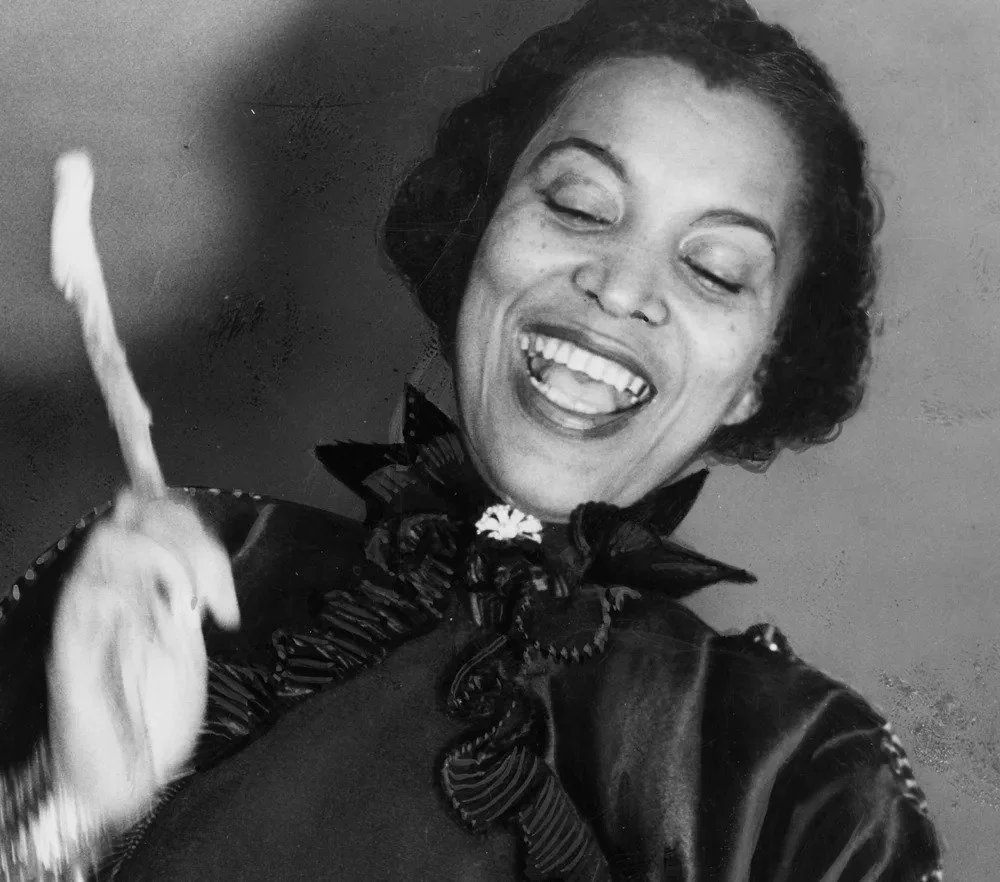
The Zora’s Legacy Project
Zora Legacy is a research initiative led by founder Melissa Parke. This project aims to provide critical data on Black-identifying teaching artists and the communities they serve. The interdisciplinary initiative is named after the great Zora Neale Hurston (1891–1960), whose anthropological work centered on documenting and examining Black folklore. We hope to continue Zora’s legacy by collecting stories, traditions, and artifacts from Afro-descendant artists across the diaspora.
Research Projects
Zora’s Legacy:
Ethnographic Research
In the Spring of 2020, Black Teaching Artist Lab (BTAL) and Creative Generation collaborated in order to examine the prevalence of Black voices in the dialogues about teaching artists and collect ethnographic data - specifically the demographics, attitudes, and perceptions of Black identity in teaching artistry - with the goal of gaining a deeper understanding of the role of Black teaching artists in the field.
Coming Soon: Afrocentricity and the
Development of Black Boys
Black boys and men often lack culturally affirming education, emotional tools, and supportive structures that reflect who they are—while also facing harmful stereotypes that impact their development. This research project explores the role of Black single mothers, the experiences of raising Black boys, and how Afrocentric Social Emotional Learning can serve as a protective and empowering force.

Become part of a movement that's reshaping
arts education.